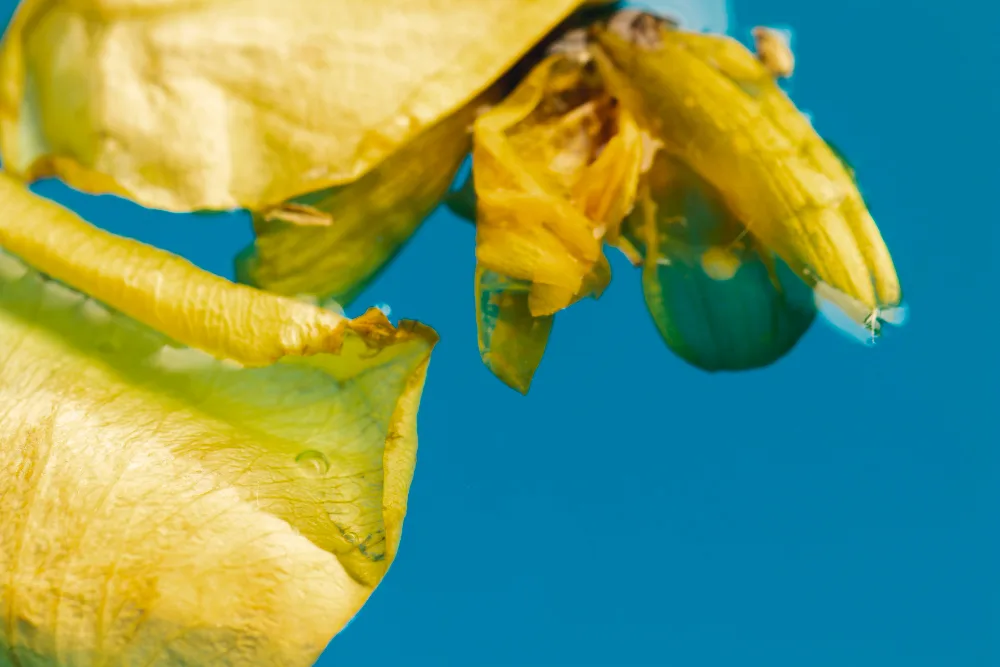
Yellowing leaves on indoor plants can be a sign of various issues. Understanding these causes can help you take the right steps to restore your plants' health. Here are some common reasons and their solutions:
Overwatering
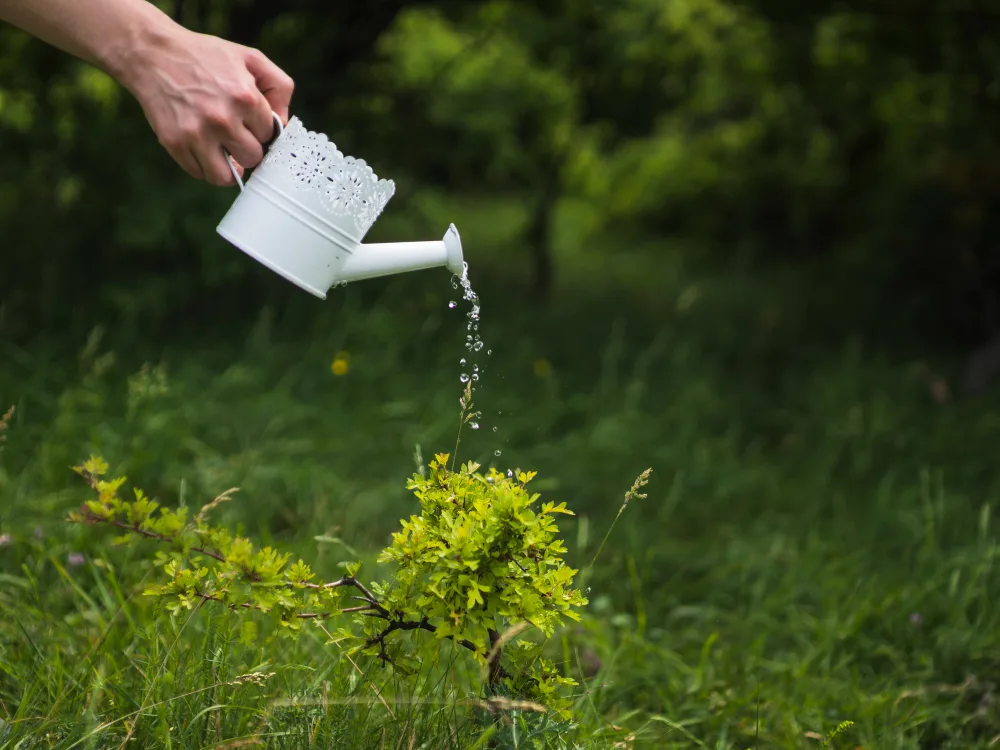
Overwatering is a frequent cause of yellow leaves. When plants receive too much water, their roots can suffocate, leading to yellowing. Ensure your plant's pot has proper drainage, and allow the topsoil to dry out before watering again.
Underwatering
Conversely, underwatering can also cause leaves to yellow. If the soil feels dry and the leaves are wilting, increase the watering frequency, but be careful not to overdo it.
Root Rot
Root rot occurs when the plant's roots sit in waterlogged soil for too long. This can be remedied by repotting the plant in fresh, well-draining soil and trimming away any rotten roots.
Insufficient or Excessive Light
Plants need the right amount of light to thrive. Too little light can cause leaves to yellow, while too much direct sunlight can scorch them. Adjust the plant's location to ensure it receives appropriate light levels.
Nutrient Deficiencies
Lack of essential nutrients can lead to yellowing leaves. Consider using a balanced fertilizer to provide the necessary nutrients.
Pot Size
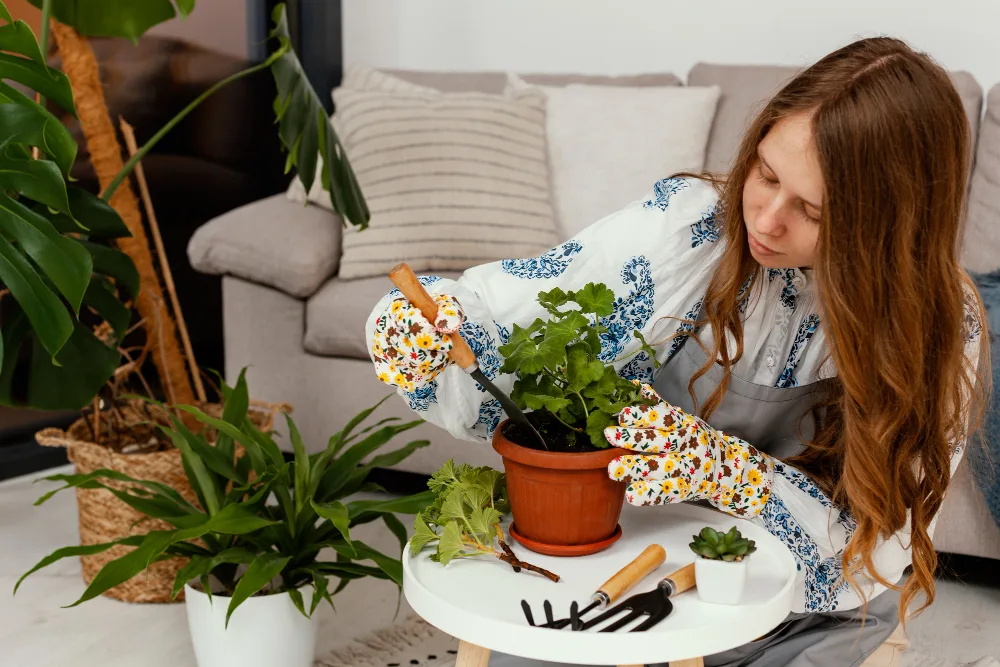
If a plant outgrows its pot, its roots can become cramped, leading to yellowing leaves. Repotting into a larger container can help resolve this issue.
Drainage Problems
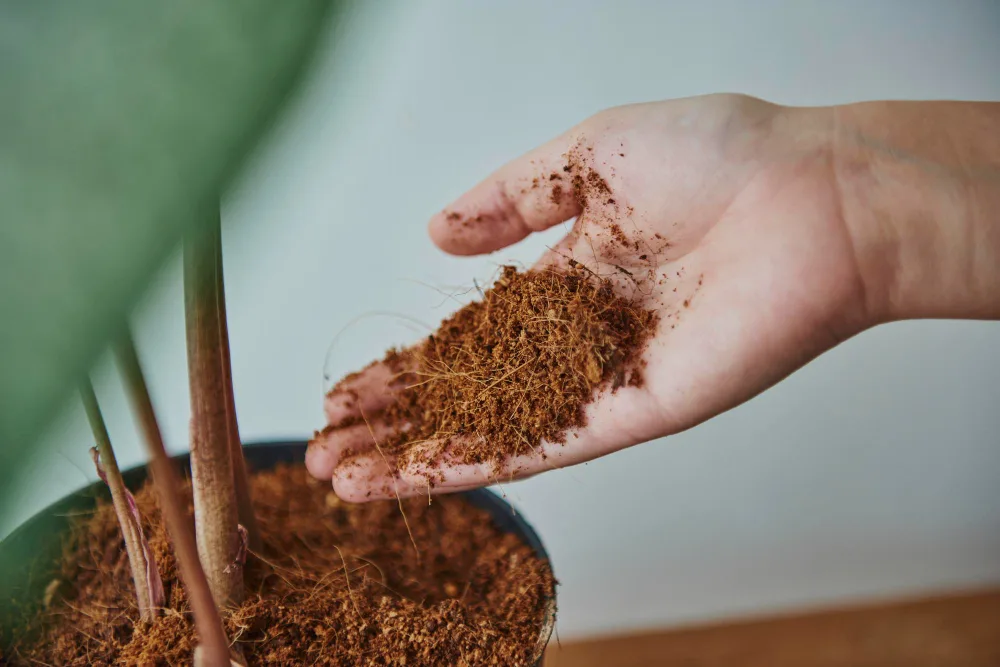
Poor drainage can lead to waterlogged soil, causing yellow leaves. Ensure your pots have drainage holes and consider using a well-draining soil mix.
Pests
Insects like aphids and spider mites can cause damage that leads to yellowing. Inspect your plants regularly and treat any infestations promptly.
Natural Aging
Sometimes, yellowing is simply a part of the plant's natural life cycle as older leaves die off. This is normal and not a cause for concern.
Identifying the Cause
Determining whether the yellowing is due to watering or lighting can be tricky. Check the soil moisture and observe the plant's light exposure to help identify the issue.
For more tips on plant care, visit our care guides section.