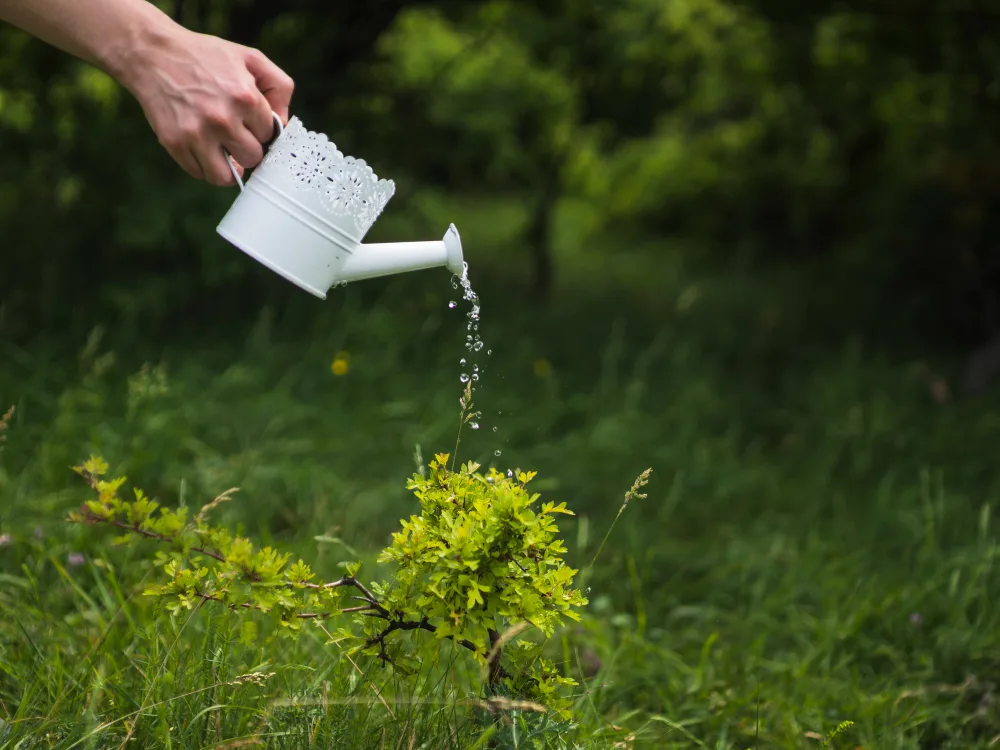
Why a Fixed Watering Schedule May Not Work
Every plant species has unique water requirements, influenced by factors such as its natural habitat, size, and growth stage. Therefore, a fixed watering schedule often fails to meet the specific needs of each plant. Instead, understanding the plant's environment and adjusting accordingly is crucial.
Checking Soil Moisture with the Finger Test
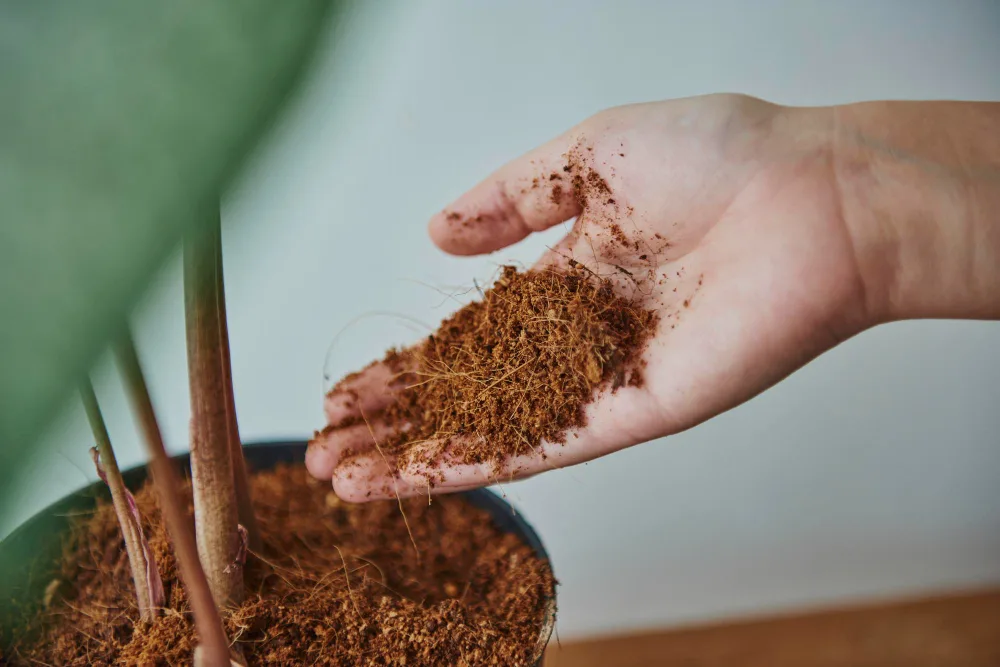
The finger test is a simple method to determine if your plant needs water. Insert your finger about an inch into the soil; if it feels dry, it's time to water. If it's still moist, wait a few more days before checking again.
Understanding Water Needs Through Pot Weight
Another effective way to gauge water needs is by lifting the pot. A dry pot will feel noticeably lighter than a well-watered one. This method can be particularly useful for larger pots where the finger test might be impractical.
Impact of Pot and Soil Type on Watering Frequency
The type of pot and soil can significantly affect how often you need to water. Clay pots, for instance, allow moisture to evaporate more quickly than plastic pots. Similarly, sandy soils drain faster than clay soils, requiring more frequent watering.
Differences Between Summer and Winter Watering
Plants generally require more water in the summer due to increased evaporation and growth rates. In contrast, during winter, their growth slows down, and they need less water.
Signs of Overwatering and Underwatering
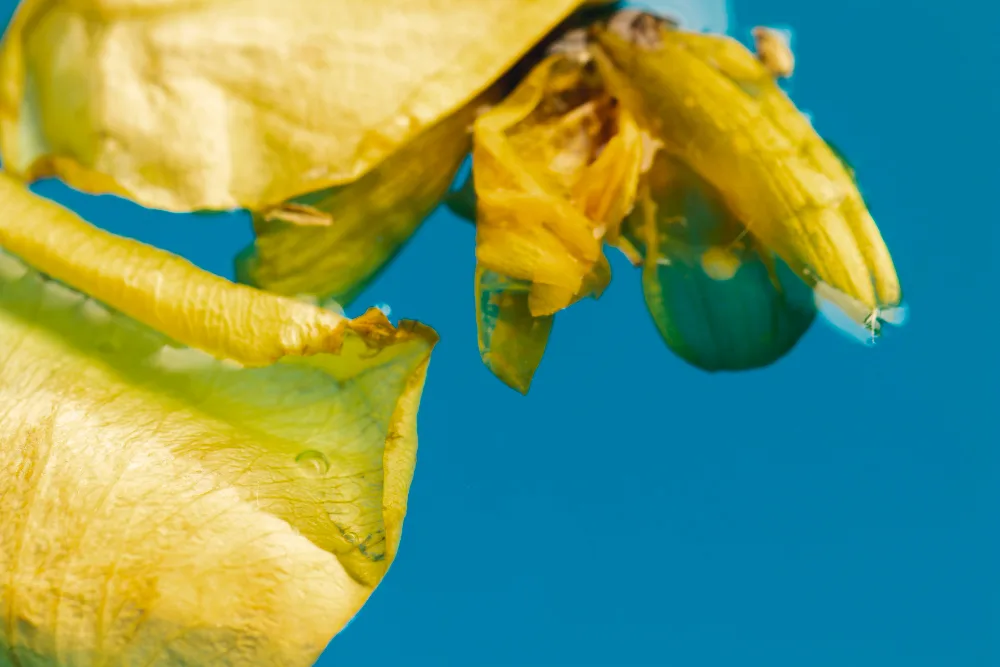
Overwatering can lead to yellowing leaves and root rot, while underwatering often results in wilting and dry, crispy leaves. Recognizing these signs early can help you adjust your watering habits accordingly.
The Importance of Drainage Holes
Proper drainage is essential to prevent water from accumulating at the bottom of the pot, which can cause root rot. Ensure your pots have adequate drainage holes to allow excess water to escape.
Problems Caused by Leaving Water in the Saucer
Leaving water in the saucer can lead to waterlogged roots and promote fungal growth. Always empty the saucer after watering to maintain a healthy root environment.
For more tips on plant care, visit our care guides.