Repotting is one of the most common pieces of advice in houseplant care, yet it is also one of the most misunderstood. A bigger pot is not always better, and repotting on a calendar schedule instead of watching the plant can do more harm than good. This guide explains when repotting is actually needed, how to choose the right pot, and what to expect afterward.
The goal is not to disturb roots unnecessarily. Healthy plants often stay in the same pot longer than beginners expect. When you do repot, doing it at the right time and in the right way reduces stress and sets the plant up for steady growth.
When Should You Repot a Houseplant?
Repot when the plant has outgrown its current container — not because a certain number of months have passed. Outgrowing means the root system has filled the available soil and water/nutrients are used up quickly, or roots are circling and restricting themselves.
Other valid reasons include soil that has broken down and no longer drains well, severe salt buildup from fertilizer, or a pot that is damaged or unsafe. Aesthetic preference alone is a weaker reason; if the plant is healthy and not root-bound, changing pots for looks can wait until the next necessary repot.
Some slow growers (snake plants, zz plants, many succulents) may need repotting only every two to four years. Fast growers like pothos or monsteras in bright light may need attention sooner. Let the roots guide you.
How Do You Know the Pot Is Too Small?
A pot is too small when the plant's root mass and top growth exceed what the soil volume can support. You may notice the plant drying out within a day or two of watering, even though it used to hold moisture longer. Growth may slow despite good light and care.
Visually, the plant may look top-heavy compared to the pot. In extreme cases the pot can distort or crack from root pressure. These signs together suggest the container — not your watering skill — is the limiting factor.
Seedlings and cuttings start in small pots on purpose. Only move up when roots have colonized most of that soil, not when you want the plant to grow faster. Oversizing too early causes other problems.
Signs That Repotting May Be Needed
- Water runs straight through the pot without soaking in
- Soil pulls away from the pot edges when dry
- Leaves wilt soon after watering despite moist-looking surface soil
- Visible roots on the soil surface or through drainage holes
- Slower new growth than previous seasons in the same conditions
- White mineral crust on soil or pot rim
- Soil smells stale or stays wet for unusually long periods
One sign alone is not always enough. Wilting can mean overwatering, underwatering, or root rot. Combine clues: root visibility plus fast dry-down plus stalled growth is a stronger case for repotting.
What If Roots Are Coming Out of the Drainage Holes?
Roots emerging from drainage holes usually mean the plant is root-bound or close to it. The root system has used all horizontal and vertical space in the pot and is searching for more.
This is a clear signal to plan a repot, especially if growth has slowed or watering becomes difficult. Do not simply clip the protruding roots and push them back in without addressing pot size — the underlying constraint remains.
If only a few fine roots peek out but the plant is otherwise vigorous, you may have a short window to prepare soil and a new pot before the condition worsens.
Can You Tell a Plant Is Root-Bound Without Removing It?
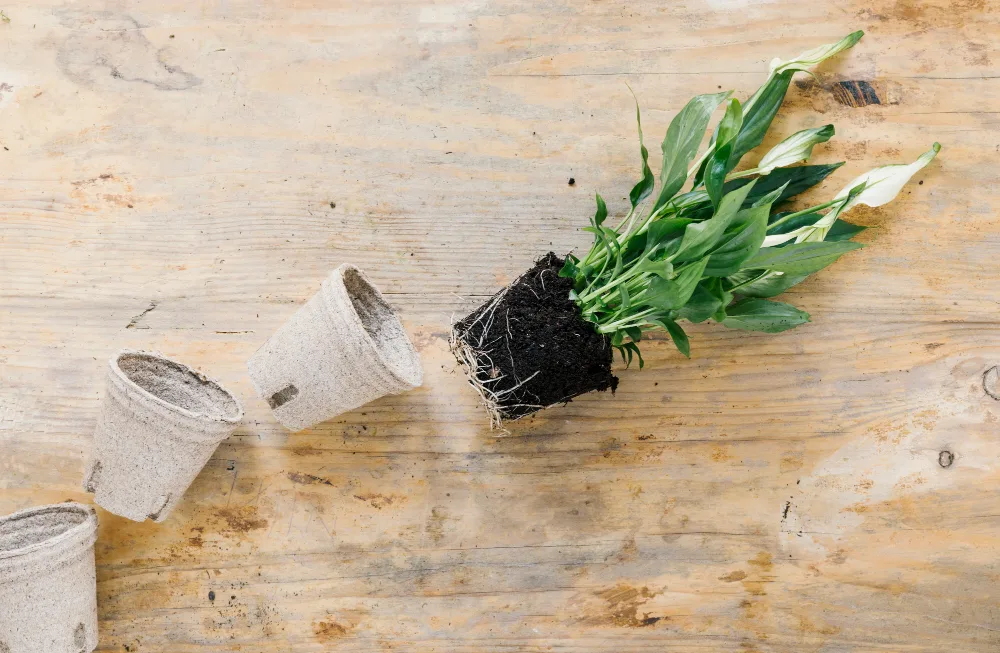
Often yes. Gently slide the plant partway out of the pot while supporting the stem base. If the root ball holds its shape and you see a dense mat of roots with little visible soil, the plant is root-bound.
Another test: tap the pot sides and try to lift the whole root ball out intact. If it comes out as a solid cylinder with roots circling the outside, repotting is due.
If soil is loose and roots are sparse, the plant likely does not need a bigger pot yet. Putting it in a large container "to encourage growth" usually backfires.
When Is the Best Time to Repot?
For most houseplants, late winter through early spring is ideal — when days are lengthening and the plant is entering active growth. Repotting then gives roots time to establish in fresh soil during the growing season.
Summer repotting is possible for vigorous plants if you can keep them stable afterward (consistent light, no extreme heat stress). Avoid repotting during peak bloom for flowering species when possible, as it can drop buds.
If a plant is severely root-bound and suffering, repot when needed regardless of season. Emergency repotting beats leaving a plant strangled in a tiny pot.
Can You Repot in Winter?
You can, but it is not ideal for most tropical houseplants. Lower light and cooler indoor temperatures slow metabolism; damaged roots heal more slowly. If you must repot in winter, choose a modest size increase, use well-draining soil, and avoid fertilizing until you see new growth.
Succulents and cacti in bright, cool winter conditions are somewhat more tolerant. Still, spring remains the safer default for most collections.
If the plant is not in crisis, waiting until late winter or early spring is often the kinder choice.
How Big Should the New Pot Be?
As a general rule, increase pot diameter by about one to two inches (2.5–5 cm) at a time. For a plant in a 6-inch pot, move to 7 or 8 inches — not 12. Small steps match root growth to soil volume and reduce overwatering risk.
Depth matters for some plants. Deep pots suit tap-rooted species; shallow wide pots suit succulents and plants with spreading roots. Match shape to habit when you can.
When in doubt, err on the smaller upgrade. You can always repot again next year; you cannot easily undo rot from a pot that stayed wet for months.
What Does One Size Up Mean?
"One size up" means the next standard nursery pot size: for example 4" → 5", 6" → 8", 8" → 10". Nurseries use incremental sizes so roots are not drowned in excess soil.
Decorative cache pots are misleading — a pretty 10-inch outer pot does not mean your plant needs a 10-inch grow pot inside. Measure the actual root ball and current grow pot, then choose the next logical size.
Skipping sizes (6" straight to 10") is a common mistake that leads to soggy soil and root problems.
Can an Oversized Pot Harm a Plant?
Yes. Too much soil holds too much water around a small root system. Roots stay wet too long, oxygen is limited, and root rot becomes likely. The plant may also invest energy in soil moisture management instead of top growth.
Large pots also take longer to dry, which confuses watering routines. What felt like a weekly schedule in the old pot may become a dangerous wait in an oversized one.
Fast growers eventually fill large pots, but they should get there gradually. Patience with pot size is a form of plant care.
Should a Pot Have a Drainage Hole?
For almost all houseplants, yes. A drainage hole lets excess water escape so the bottom of the root zone does not sit in standing water. "No hole" pots require very careful watering skill and are risky for beginners.
If you love a decorative pot without holes, use it as a cache pot: plant in a plastic grow pot with holes and lift it out to water, or water in the sink and drain fully before placing it back.
Some terrariums and semi-hydro setups are exceptions with different rules. Standard soil-based houseplants need drainage.
Do Stones at the Bottom Improve Drainage?
No — not in the way most people think. A layer of gravel at the bottom creates a perched water table; saturated soil still sits directly above the stones. It does not make the overall pot drain faster in a meaningful way.
What actually helps is a hole in the bottom, well-aerated potting mix, and appropriate pot size. Stones add weight and reduce soil volume without solving waterlogging.
If you want better drainage, amend soil with perlite, bark, or pumice — do not rely on a gravel layer.
Should You Remove All Old Soil When Repotting?
Usually no. Removing every crumb of old soil damages fine roots and stresses the plant. Loosen the outer third of the root ball, tease circling roots gently, and place the plant in fresh soil around and beneath it.
Remove all old soil only when treating serious root rot, pests in soil, or severe salt toxicity. In those cases you may need to rinse roots and trim damaged tissue before repotting into clean mix.
For routine upgrades, a balance of fresh soil at the edges and bottom plus minimal root disturbance is best.
Should You Trim Roots When Repotting?
Light trimming is fine — snip dead, mushy, or circling roots that have no room to expand. Do not hack away healthy white roots unless you have a specific reason (bonsai, rot recovery, extreme root-bound correction).
After trimming, use a slightly smaller upgrade than you might otherwise, so the root-to-soil ratio stays balanced. Water lightly and avoid fertilizer until recovery signs appear.
Root pruning is a tool, not a default step at every repot.
How to Repot Step by Step
- Water lightly a day before if soil is very dry — easier to remove, less shock.
- Choose a clean pot one size up with drainage.
- Add a layer of fresh potting mix at the bottom; do not fill to the top yet.
- Slide the plant out, support the stem, loosen outer roots gently.
- Place at the same depth as before — do not bury the stem deeper unless propagating specific species.
- Fill around sides with fresh mix, tap lightly to settle, leave a small rim for watering.
- Water thoroughly until it runs from drainage holes; discard excess from saucer.
- Place in bright indirect light; avoid direct sun or drafts for a week.
Work on a table with newspaper or outdoors. Having soil, scissors, and labels ready reduces fumbling time with exposed roots.
Should You Water After Repotting?
Yes, a thorough initial watering helps settle soil around roots and removes air pockets. After that, adjust to the plant's needs — many need slightly less frequent watering until new root growth starts, because fresh soil retains moisture differently.
Do not water on a rigid old schedule automatically. Check soil depth with your finger or a moisture meter. Overwatering after repotting is a leading cause of post-repot decline.
For succulents, many growers wait two to seven days before the first water after repotting to let cut root ends callus. Know your species.
Should You Fertilize After Repotting?
Generally wait four to six weeks, or until you see new growth. Fresh potting mix often contains nutrients or slow-release fertilizer. Adding liquid feed immediately can burn stressed roots.
Exception: if you used completely inert mix with no fertilizer and the plant is actively growing in spring, a very dilute feed may be acceptable — but waiting is still safer.
After the waiting period, resume normal feeding at reduced strength for the first application.
Why Do Leaves Droop After Repotting?
Some drooping is normal. Root disturbance temporarily reduces water uptake even if soil is moist. The plant is reallocating energy to root repair. Keep conditions stable — consistent light, no temperature swings, no relocation to a dark corner.
Persistent wilting with soggy soil suggests overwatering or rot. Wilting with dry soil may mean roots were damaged heavily or the plant is in shock. Remove from pot only if symptoms worsen after a week.
Most plants perk up within one to two weeks if pot size, drainage, and watering are appropriate.
Where Should the Plant Go After Repotting?
Put it back in similar light to where it thrived before — not brighter "to help recovery." Extra sun on stressed leaves causes burn. Avoid cold drafts, heating vents, and frequent moving.
Humidity-loving plants benefit from slightly higher humidity during recovery (pebble tray, grouping plants, humidifier). Do not mist as a substitute for proper watering.
Let the plant rest. Observation beats intervention during the first week.
Why Is the Plant Not Growing After Repotting?
Growth pause after repotting is common. The plant invests in roots before pushing new leaves. This can last several weeks, especially in winter or after a large root ball disturbance.
If months pass with no new growth, revisit light, watering, pot size, and soil. Root rot from overwatering in a too-large pot is a frequent hidden cause.
Patience is required, but indefinite stall is a signal to investigate — not to fertilize harder.
Is Yellowing Normal After Repotting?
A few older lower leaves yellowing and dropping can be normal stress response. Widespread yellowing, especially with mushy stems or foul soil smell, is not normal — suspect rot, severe root damage, or incorrect watering.
Do not pull every yellow leaf immediately; let the plant shed them. Do remove clearly rotted tissue if rot is confirmed.
Match yellowing pattern to care changes: one or two leaves versus whole-plant decline tells different stories.
Should You Repot a Newly Purchased Plant Right Away?
Not always. New plants need acclimation to your home's light and humidity. Repotting on day one adds a second stress. Wait at least two to four weeks unless you see severe root-bound signs, pests, or rotten soil.
Quarantine new plants from your collection briefly if pests are a concern. Inspect roots during acclimation when you do repot.
Nursery soil is not always ideal long term, but it is usually adequate short term while the plant adjusts.
Should You Replace Nursery Plastic Pots?
Replace when the plant outgrows them or when you repot for soil refresh — not automatically at purchase. Thin nursery pots are functional; they drain well and are easy to inspect.
Move to a sturdier grow pot if the plastic is cracked, warped, or too small. Decorative outer pots are optional and separate from root health.
Recycling clean nursery pots is fine for seedlings and divisions.
Plastic Pot or Ceramic Pot?
Plastic retains moisture longer and weighs less — good for plants that like even moisture and for hanging baskets. Unglazed ceramic and terracotta breathe and dry faster — good for succulents, cacti, and overwaterers who need forgiveness.
Glazed ceramic without drainage is risky unless used as cache only. Choose based on watering habits and plant type, not only appearance.
Many growers keep plants in plastic grow pots inside decorative containers for flexibility.
Which Plants Suit Terracotta Pots?
Succulents, cacti, rosemary, lavender, snake plants, and other plants that prefer drying between waterings do well in terracotta. The porous walls allow evaporation and reduce root rot risk.
Plants that need consistently moist soil — many ferns, calatheas, and baby plants — may dry too fast in small terracotta. Larger terracotta pots or plastic may work better for them.
Terracotta is heavy and can crack in frost; use indoors or in frost-free climates for tender houseplants.
What Soil Should You Use When Repotting?
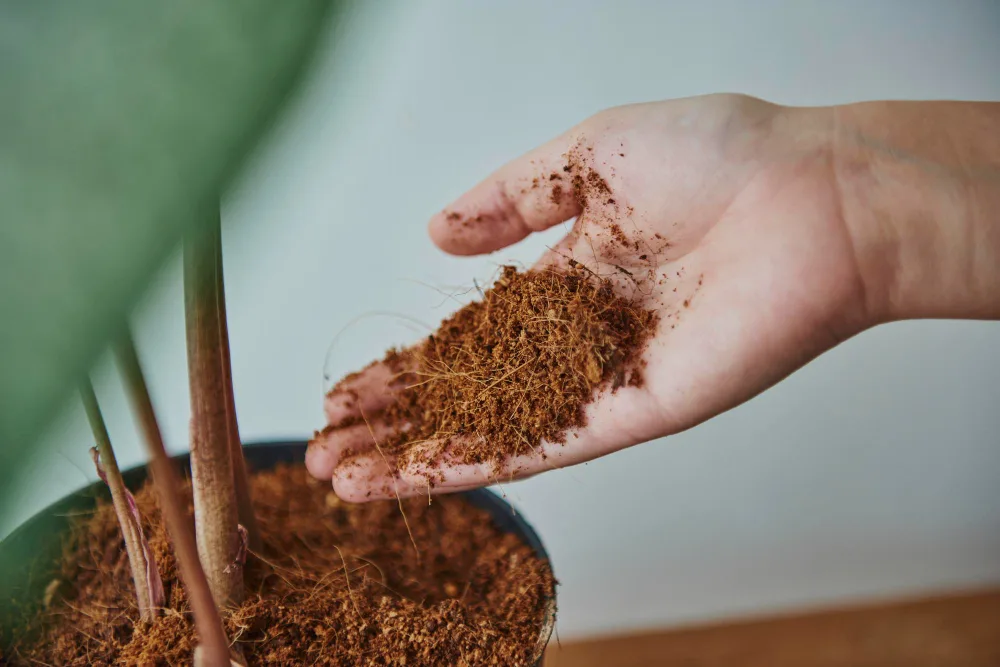
Use a mix matched to the plant, not garden soil from the yard. General houseplant mix works for many tropicals. Add perlite or bark for aroid epiphytes (monstera, pothos). Use cactus/succulent mix for succulents and cacti — fast drainage, low organic matter.
Orchid bark mixes suit epiphytic orchids, not standard pothos. African violets and some gesneriads want finer, peat-based mixes. Read the plant's needs.
Fresh bagged mix is usually sterile enough; reusing old soil from diseased plants is never worth the risk.
When Should You Repot a Monstera?
Monsteras often need repotting every one to two years when actively growing. Signs include roots from drainage holes, soil drying within two to three days, and stunted new leaves with fewer fenestrations than before (when light is adequate).
Spring is best. Use a chunky aroid mix with bark and perlite. One size up; provide a moss pole at repot time if you want vertical growth.
Large mature monsteras can stay longer in big pots — judge by root ball, not leaf count alone.
When Should You Repot a Pothos?
Pothos are vigorous and may need yearly repotting in bright conditions. Wilting shortly after watering, roots circling the pot, and leggy growth with small leaves suggest it is time.
They tolerate repotting well compared to many plants. Standard houseplant mix with extra perlite works. Trim leggy vines if desired after establishment.
Pothos in low light grow slowly and may stay two years or more in the same pot without issue.
When Should You Repot a Snake Plant?
Snake plants (sansevieria) prefer being somewhat root-bound and need repotting only every two to five years. Repot when plastic pots bulge, pups crowd the surface, or water runs through instantly.
Use succulent-type mix or houseplant mix with extra sand/perlite. Shallow wide pots suit their rhizomes. Do not overpot — they rot easily in wet soil.
Spring repotting is ideal; winter is acceptable if not overwatered afterward.
When Should You Repot Succulents?
When roots fill the pot or growth stalls, usually every two to three years. Spring start of active growth is the best window. Use dedicated succulent/cactus mix and a pot with drainage.
Wait a few days to water after repotting if you handled roots roughly. Bright light prevents etiolation but avoid scorching freshly repotted plants in midday summer sun.
Offsets (pups) can be separated at repot time and potted individually once they have their own roots.
When Should You Repot Cacti?
Similar to succulents: infrequently, when root-bound or soil is exhausted — often every two to four years. Spring is strongly preferred. Use very gritty, fast-draining mix.
Wear gloves; handle with tongs or folded newspaper. Let the plant dry slightly before repotting if soil is wet. Delay watering after repot to reduce rot risk.
Do not repot blooming cacti unless necessary; flowering energy is easily disrupted.
Can You Refresh Soil Without Upsizing the Pot?
Yes — sometimes called "repotting in place." Remove the plant, trim outer root mat lightly, scrape away top third of old soil, replace with fresh mix, and return to the same pot. Useful when pot size is still appropriate but soil has degraded.
Best done in spring for actively growing plants. Water carefully afterward as root volume relative to soil may have changed slightly.
This is gentler than a size jump and solves compaction without overpotting risk.
Can You Reuse the Same Pot?
Yes, after cleaning. Wash with soap and water; disinfect with dilute bleach (1:10) if there was rot or pests. Rinse well and dry before reuse.
Reusing the same pot with fresh soil is appropriate for soil refresh without upsizing. Ensure drainage holes are clear.
Do not reuse pots from diseased plants without thorough disinfection.
Most Common Repotting Mistakes
- Choosing a pot far too large
- Using garden soil or dense mix without drainage amendments
- Repotting in winter without need
- Watering on autopilot instead of checking soil
- Fertilizing immediately after repotting
- Burying the stem too deep
- No drainage hole in grow pot
- Removing all soil and breaking every root
- Repotting a sick plant without diagnosing the real problem
- Moving to much brighter light right after repotting
Avoiding these mistakes prevents most post-repot failures more reliably than any single "perfect" product.
Repotting Checklist
- Confirm the plant actually needs repotting (roots, dry-down speed, growth)
- Pick appropriate season when possible (spring preferred)
- Select pot one size up with drainage
- Prepare correct soil mix for species
- Water lightly beforehand if soil is bone dry
- Loosen roots gently; trim only dead or circling portions
- Plant at same depth; fill with fresh mix
- Water in; discard saucer water
- Place in stable bright indirect light
- Hold fertilizer 4–6 weeks; adjust watering to new soil
- Monitor for droop; intervene only if worsening
Print or save this list until repotting becomes routine muscle memory.
Conclusion: Watch the Roots, Not the Calendar
Repotting is a response to root and soil conditions, not a yearly chore on January first. Learn to read drainage speed, root visibility, and growth rate. Size up gradually, use drainage and the right mix, and give the plant a quiet recovery period afterward.
When you repot for the right reasons at the right time, houseplants reward you with healthier roots and steadier growth. When in doubt, wait one more week and check the root ball — patience often saves a plant from an unnecessary shock.